5-Day Itinerary
5 Days in Florence: The Complete Immersion
Five days transforms Florence from a destination into a relationship. You stop counting churches and start recognizing baristas.
Powered by ITINE
Get this guide as a tappable itinerary
Day-by-day plan, audio tours, and one-tap Google Maps — completely free.
Destinations
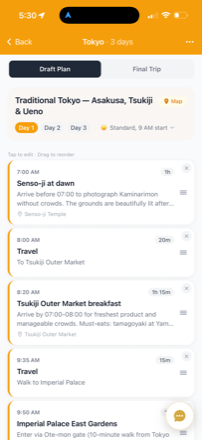
Your Itinerary
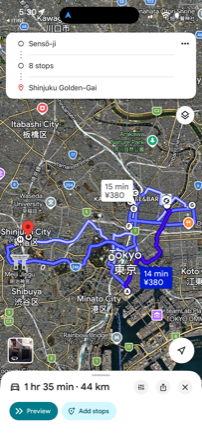
Google Maps
At a Glance
Essential Centro Storico
Most visitors try to cram these into half a day and leave feeling like they ran through an art museum during a fire drill. With five days ahead of you, today is about giving the essential Centro Storico monuments the time they deserve. The David first thing in the morning when the gallery is quiet. The Duomo complex at mid-morning when the light inside is best. The Uffizi for the full afternoon — not the 90-minute sprint, but the proper 2.5-hour experience. End the evening in Piazza della Signoria watching the open-air sculpture catch the last light.
Morning
8:15 AM
Galleria dell'Accademia (The David)
San MarcoBook the 8:15am first entry slot online — this is non-negotiable. At this hour you might have 15 minutes with the David before the tour groups flood in. Walk the Hall of the Prisoners first: Michelangelo's four unfinished slaves appear to writhe out of raw marble, and scholars still argue whether they are deliberately incomplete or simply abandoned. Then the David itself: 5.17 meters of Carrara marble, carved between 1501 and 1504 from a block so damaged by earlier sculptors that nobody else would attempt it. Stand directly underneath and look up — the oversized head and hands were calculated for a viewing angle from below. Walk around the back and study the tension in the muscles between his shoulder blades. The plaster cast gallery on the ground floor is usually deserted and worth 10 minutes if you want to see how 19th-century art students learned anatomy.
The Accademia also holds a collection of medieval musical instruments that almost nobody visits. If you finish the David quickly, it is in the rooms to the left of the entrance.
9:30 AM
Duomo Complex — Dome Climb + Baptistery
DuomoWalk 5 minutes south to the Piazza del Duomo and use your pre-booked timed slot for the dome climb. The 463 steps take you between the inner and outer shells of Brunelleschi's engineering miracle — no scaffolding from the ground, no flying buttresses, just herringbone brick and mathematical genius. Halfway up you are nose-to-nose with Vasari and Zuccari's Last Judgment frescoes: 3,600 square meters of sinners being devoured, demons dragging souls to hell, and Christ presiding over the spectacle. At the top, the panorama is the definitive Florence view — terracotta rooftops in every direction, the Arno curving south, the hills of Fiesole to the northeast. Back down, cross the piazza to the Baptistery to see the mosaic ceiling (13th century, Byzantine-influenced, spectacular) and the replica Gates of Paradise doors. The originals are in the Opera del Duomo Museum, which you should visit next.
Book dome slots at duomo.firenze.it well in advance — they sell out days ahead in peak season. The combo ticket is valid for 72 hours, so you can return for the bell tower later in the week.
11:15 AM
Opera del Duomo Museum
DuomoDirectly behind the cathedral and included in your combo ticket. This museum is criminally undervisited considering what it holds. Ghiberti's original Gates of Paradise doors — the actual bronze panels that Michelangelo supposedly said were worthy of being the gates of paradise — are displayed at eye level where you can study the relief work up close. Donatello's Penitent Magdalene is here: a gaunt, wild-haired wooden sculpture that is one of the most emotionally devastating works in Florence. Michelangelo's Bandini Pieta, which he smashed in frustration (a student reassembled it — you can see the damage), stands in a dedicated room. A full-scale reconstruction of the original cathedral facade fills one gallery. Most visitors skip this museum entirely, which means you can take your time with masterpieces that would be headline attractions anywhere else.
The museum's rooftop terrace offers a close-up view of the dome. Good for photos and a breather before lunch.
Lunch
Trattoria Mario
Order: A no-frills communal table trattoria that has been feeding the San Lorenzo neighborhood since 1953. The ribollita is textbook Tuscan — thick, bready, deeply savory. The bistecca for one (yes, they serve single portions here, unlike most places that insist on a shared T-bone) is honest and well-priced at €25 per kilo. The penne al ragu and roast chicken with potatoes are the safe, excellent choices. House wine by the quarter-liter is €3.
Cash only. No reservations. Open lunch only, Monday through Saturday. The line forms by 11:45am — arrive early or expect to wait 20 minutes. Shared tables, fast service, and the kind of meal that makes you question every expensive restaurant you have ever visited.
Afternoon
1:30 PM
Uffizi Gallery — The Full Experience
CentroBook the early afternoon slot and give the Uffizi the time it has been demanding since 1581. Start on the 2nd floor: Rooms 2-7 trace the birth of Renaissance painting from flat Byzantine icons to Giotto's revolutionary depth and volume. Rooms 10-14 are the main event — Botticelli's Birth of Venus is smaller than you expect but the colors remain luminous after 540 years, and Primavera rewards every additional minute you spend decoding its mythology. Room 15 holds Leonardo's Annunciation — note the mathematically impossible table leg and angel wings based on real bird anatomy studies. Room 35 is the Michelangelo room with the Tondo Doni. Room 41 holds Caravaggio's Medusa, painted on a ceremonial shield — the Gorgon screaming at the moment of her own beheading. The ground floor rooms (expanded in recent years) house Caravaggio's Bacchus, Artemisia Gentileschi's Judith, and Rembrandt self-portraits. Budget 2.5 hours minimum and resist the urge to see everything — you will burn out. Focus on what moves you.
The Uffizi cafe terrace on the top floor has a direct view of the Palazzo Vecchio tower. Decent coffee, fair prices, and a legitimate excuse to pause halfway through.
4:15 PM
Piazza della Signoria + Loggia dei Lanzi
CentroStep out of the Uffizi directly into Florence's civic heart. The Loggia dei Lanzi is a free open-air sculpture gallery that would headline any other city's attractions: Cellini's Perseus decapitating Medusa (bronze, 1545) is technically flawless — look at the blood dripping from the severed head. Giambologna's Rape of the Sabines was carved from a single block of marble with three intertwined figures spiraling upward — walk around it and every angle reveals new drama. The Neptune Fountain is, honestly, mediocre, and Florentines have mocked it since 1565. The copy of the David standing outside the Palazzo Vecchio marks the spot where the original stood for 369 years before being moved indoors. In the late afternoon the piazza fills with a golden light that makes even the souvenir stalls look almost tasteful.
The Gucci Garden is on the piazza if you need air conditioning. €8, usually empty, and an interesting look at how fashion borrows Florentine prestige.
5:00 PM
Ponte Vecchio + Vasari Corridor Views
Centro / OltrarnoWalk the medieval bridge in late afternoon light when the goldsmiths and jewelers are still open and the crowds are starting to thin. The Ponte Vecchio has been continuously inhabited since 1345 — butchers were evicted in 1593 because the Medici, who used the Vasari Corridor above to walk from the Uffizi to Palazzo Pitti, found the smell offensive. The corridor windows above the shops are visible from the bridge — look up to see where the Medici passed overhead. Walk to the center of the bridge for framed views of the Arno in both directions. Continue across to scope out the Oltrarno side for tomorrow. The bridge is best experienced as a transition, not a destination — admire, but do not buy jewelry here unless you have compared prices elsewhere first.
For the best photo of the Ponte Vecchio itself, walk 2 minutes downstream to Ponte Santa Trinita. The evening light hitting the bridge's medieval profile is the classic Florence image.
Evening
6:00 PM
Aperitivo at Piazza della Repubblica
CentroPiazza della Repubblica is a grand 19th-century square built on the ruins of the old Roman forum and medieval Jewish ghetto. It is too big, too open, and too touristy for most Florentines — but the historic cafes along its edges are legitimately atmospheric for an early evening drink. Caffe Gilli (since 1733) is the oldest and does a proper Negroni for €12. Caffe delle Giubbe Rosse was the meeting point of the Italian Futurist art movement. You are paying for the setting and the history, not the value. One drink is enough to soak it in before moving somewhere more authentic for dinner.
The antique carousel in the center of the piazza runs until late. It is kitschy and oddly charming against the grand architecture.
Dinner
Buca Mario
Order: One of Florence's historic 'buca' restaurants — so called because they are in basements. Operating since 1886, this is traditional Tuscan cooking in a vaulted brick cellar. Start with crostini toscani — the chicken liver pate on toast that is the city's default appetizer. The bistecca alla fiorentina for two (€55-65 per kilo, typically 1.2-1.5kg) is properly aged, properly thick, and properly rare in the center as God and the Tuscan butcher intended. The tagliatelle al ragu di cinghiale (wild boar sauce) is rich and deeply flavored. Finish with cantucci dipped in vin santo — the almond cookies and dessert wine combination that Tuscany invented.
Reservations recommended, especially weekends. Prices are higher than neighborhood trattorias but the quality, setting, and history justify it. If full, Buca Lapi (Via del Trebbio 1) is another excellent buca restaurant in a 15th-century cellar.
Oltrarno + Pitti + San Miniato Sunset
Today you leave the tourist Centro Storico and enter the Florence that Florentines actually live in. The Oltrarno — everything south of the Arno — is where artisans still work in Renaissance-era workshops, where trattorias have not changed their menus in decades, and where the Medici built their most extravagant palace. You will spend the morning in Palazzo Pitti's Palatine Gallery, the afternoon wandering Boboli Gardens and the Brancacci Chapel, and the evening climbing to San Miniato al Monte for a sunset that makes you consider moving to Tuscany permanently.
Morning
8:30 AM
Ponte Vecchio Morning Crossing + Santo Spirito
OltrarnoCross the Ponte Vecchio early when the jewelers are opening their heavy wooden shutters and the bridge is still quiet. The morning light on the Arno from the bridge center is soft and golden. Continue into the Oltrarno and walk directly to Piazza Santo Spirito — the real heart of the neighborhood. Brunelleschi's last church, Santo Spirito, faces the piazza with a plain facade that conceals one of the most harmonious Renaissance interiors in Florence. Go inside (free, open 9:30am): 35 side chapels with a rhythm so mathematical it feels like music. The sacristy holds a wooden crucifix attributed to the young Michelangelo — carved when he was 17 while living at the Santo Spirito monastery, where he dissected cadavers to study anatomy. On weekday mornings the piazza hosts a small produce market. Grab a coffee at one of the piazza's bars and watch the neighborhood wake up.
The Santo Spirito sacristy holds a wooden crucifix attributed to Michelangelo at age 17. Ask at the church desk if it is open for viewing.
9:30 AM
Palazzo Pitti — Palatine Gallery
OltrarnoThe Medici moved from the Palazzo Vecchio to this monumental palace in the 1550s because it was bigger, grander, and farther from the populace they nominally governed. The Palatine Gallery on the first floor is the treasure: paintings hung salon-style — floor to ceiling, frame against frame — in rooms so ornately frescoed that the ceilings compete with the canvases for your attention. Raphael's Madonna della Seggiola (Room of Saturn) is the highlight: a tondo composition so perfectly balanced it looks like it happened by accident, though every angle was calculated. Titian's Mary Magdalene and his Portrait of a Man are in the same room. Caravaggio's Sleeping Cupid is small and tucked in a corner — search it out. Filippo Lippi's Madonna and Child in the Prometheus Room shows the influence that led directly to Botticelli. The Royal Apartments on the upper floors are skippable unless you care deeply about 19th-century Savoy furniture.
Buy the combo ticket. The Modern Art Gallery upstairs has excellent Italian Impressionists — the Macchiaioli movement — and nobody goes up there. Worth a 20-minute pass through.
11:15 AM
Boboli Gardens
OltrarnoForty-five thousand square meters of Renaissance garden design sprawling up the hillside behind Palazzo Pitti. The Amphitheatre directly behind the palace is where some of the earliest operas were performed. Walk uphill toward the Grotta del Buontalenti — Mannerist weirdness at its absolute peak with fake stalactites, figures emerging from walls, and a hidden Venus statue in the back chamber. The Cavaliere Garden at the top has panoramic views and almost no visitors. The Neptune Fountain, the Cypress Avenue, and the Isolotto (an island garden with Giambologna's Ocean fountain surrounded by citrus trees in terracotta pots) are all worth seeking out. This is a garden designed for wandering, not for efficient touring. Let yourself get a little lost among the box hedges and gravel paths.
Bring water and sunscreen if visiting between May and September. The garden faces south with limited shade, and the climb to the top is steeper than it looks.
Lunch
Trattoria Sabatino (aka Trattoria da Sabatino)
Order: The most honest meal in Florence. Ribollita that tastes like someone's grandmother made it, because someone's grandmother basically did. Pollo arrosto with rosemary potatoes. Bollito misto if you want the full working-class Florentine experience — mixed boiled meats with green sauce. House wine is a euro per glass. The dining room has not been redecorated since the 1950s, which is entirely the point.
Cash only. No website, no Instagram, no English menu. Open for lunch from 12pm — arrive by 12:15 or queue. Closed Saturdays and Sundays. If closed, Trattoria Casalinga (Via dei Michelozzi 9r) near Santo Spirito is another old-school Oltrarno standby.
Afternoon
1:30 PM
Brancacci Chapel
OltrarnoA 10-minute walk from Sabatino to Santa Maria del Carmine. The Brancacci Chapel holds frescoes by Masaccio (1425-27) that essentially invented Renaissance painting as we know it. The Expulsion of Adam and Eve from Paradise is devastating — raw human shame rendered with a realism that nobody had managed before. Adam covers his face. Eve opens her mouth in a wail. The Tribute Money, on the opposite wall, shows Christ and the apostles as individuals with real weight and real shadow for the first time in Western art. Masaccio died at 26 and never finished the cycle — Filippino Lippi completed it 50 years later, and you can spot the difference in softness and sentimentality. This single room influenced every painter who followed, from Leonardo to Raphael to Michelangelo, who came here to sketch as a teenager.
Maximum 30 visitors for 20 minutes at a time. Book online at museicivicifiorentini.comune.fi.it or risk being turned away. Mornings are busiest — the early afternoon slot is your best chance for a calm visit.
2:30 PM
Artisan Workshops Walk
OltrarnoThis is the last working artisan quarter in Florence, and five days gives you time to explore it properly instead of rushing through. Via Maggio, Via dello Sprone, Sdrucciolo de' Pitti, Via di Santo Spirito, Borgo San Frediano — these streets hold gilders, frame restorers, bookbinders, silversmiths, woodworkers, leather craftspeople, and paper marblers. Poke your head in and say 'Posso guardare?' — most will invite you in. Stefano Bemer does bespoke shoes starting at €2,000 (just browse and admire the craftsmanship). Il Torchio makes hand-bound leather journals. Alberto Cozzi does traditional Florentine paper marbling. Scuola del Cuoio (Leather School near Santa Croce) is the most famous, but the Oltrarno workshops are more intimate and authentic. UNESCO recognizes these traditions as intangible cultural heritage.
Many workshops close between 1-2pm for lunch. The best time is mid-afternoon when artisans are settled into their work and happy to chat.
4:00 PM
Giardino delle Rose + Piazzale Michelangelo
Oltrarno (hillside)Begin the climb toward San Miniato through the Giardino delle Rose (Rose Garden), which is free, open until sunset, and contains 1,000 rose varieties plus several bronze sculptures by Jean-Michel Folon that blend beautifully into the landscape. When roses are in bloom (May-June), this garden alone is worth the walk. Continue uphill past the souvenir stalls to Piazzale Michelangelo — the famous viewpoint where every Florence postcard is taken. Yes, it is crowded and yes, there is a copy of the David here that looks absurd on its stone plinth. But the 360-degree panorama is genuinely magnificent: the Duomo, the tower of Palazzo Vecchio, the Arno's bridges in sequence, and the Chianti hills beyond. Pause, take your photos, then keep walking uphill to San Miniato for the real reward.
If your legs are tired, Bus 12 or 13 from the south bank goes directly to Piazzale Michelangelo. But the walk through the Rose Garden is half the experience.
Evening
5:30 PM
San Miniato al Monte — Sunset
Oltrarno (hilltop)Five minutes uphill from Piazzale Michelangelo and it might as well be a different world. San Miniato al Monte is a Romanesque church over 1,000 years old, its white and green marble facade catching the evening light in a way that feels deliberately theatrical. The interior is austere and beautiful — geometric marble floor, a raised presbytery, and a 13th-century mosaic in the apse depicting Christ, the Virgin, and St. Miniato. If you time it right (check the schedule posted at the door, typically around 5:30-6pm), Olivetan monks sing Gregorian vespers in the crypt — one of the most atmospherically perfect experiences in Florence. Afterward, sit on the church terrace wall with your back to the facade and watch the sun drop behind the western hills while Florence turns golden below you. This is the moment.
Bring wine and cheese from an Oltrarno alimentari. A bottle, two plastic cups, some pecorino, and this view is the best €15 you will spend in Italy.
7:00 PM
Aperitivo in Santo Spirito
OltrarnoWalk back downhill (or take Bus 12) and end up in Piazza Santo Spirito as the evening aperitivo scene comes alive. Volume Firenze does excellent cocktails in a bookshop setting — a Negroni with a free buffet of snacks for €8-10. Tamero does aperitivi on the piazza itself with outdoor seating. Or just grab a drink from the bar and sit on the church steps with the students, artists, and local families who treat this piazza as their living room. The difference between Santo Spirito and the tourist squares across the river is immediately obvious — this is a neighborhood, not a stage set.
Dinner
Il Latini
Order: Prosciutto hanging from the ceiling, communal tables, enormous portions, and a noise level that makes conversation optional. Start with the crostini misti — the chicken liver pate on toast is rich and properly seasoned. The ribollita and pappa al pomodoro are both robust. The bistecca alla fiorentina is the main event — €50+ for the full T-bone, feeds 2-3, served rare in the center with nothing but salt, pepper, and olive oil. They bring dessert (cantucci with vin santo) whether you ordered it or not, and they bring the bill when they feel like it.
No reservations. Arrive at 7:30pm for the first seating and expect to queue outside. This is not a quiet romantic dinner — it is loud, generous, unapologetically Florentine. Cash preferred. Closed Mondays.
Santa Croce + San Lorenzo
Day three digs into two neighborhoods that most 2-day visitors either rush through or skip entirely. Start with a food crawl along Via dei Neri — the street that proves Florence's street food rivals its restaurant scene. Then the Basilica di Santa Croce, where the city buried its greatest minds. Cross town to the San Lorenzo district for the Mercato Centrale's legendary lampredotto, the Medici Chapels where Michelangelo's allegorical sculptures brood in perpetual twilight, and a leather workshop visit. This is the day that separates a visit from an understanding.
Morning
8:30 AM
Via dei Neri Food Crawl
Santa CroceVia dei Neri is Florence's greatest street food corridor, running from the Uffizi toward Santa Croce. Start at All'Antico Vinaio for the legendary schiacciata — warm, olive-oily flatbread stuffed to bursting. 'La Favolosa' (truffle cream, sbriciolona salami, pecorino, artichoke cream) is the signature and worth the hype. The line looks intimidating but moves in 10 minutes. Continue down the street to I Due Fratellini (since 1875) for a panino with prosciutto crudo and mozzarella eaten standing at their tiny counter. Further along, stop at a lampredotto cart — cow stomach in green sauce on a bread roll dipped in broth. It sounds terrible. It is addictive. Ask for 'con salsa verde.' End at Vivoli or Gelateria dei Neri for gelato that ranges from excellent to life-changing. This is breakfast, Florentine style.
All'Antico Vinaio opens at 10am, but the lampredotto carts and I Due Fratellini are serving by 9:30. Do the crawl in reverse if you want to avoid the Vinaio line entirely.
9:45 AM
Basilica di Santa Croce
Santa CroceThe Franciscan church of Santa Croce is the Florentine Pantheon — the city buried its greatest minds here and then charged tourists to visit them. Michelangelo's tomb (designed by Vasari, with three mourning sculptures representing Painting, Sculpture, and Architecture) is on the right aisle. Galileo's tomb is across the nave — the church initially refused to bury him because of the whole Earth-revolves-around-the-Sun controversy, and it took 95 years to get him inside. Machiavelli's tomb bears the inscription 'Tanto nomini nullum par elogium' — no eulogy would be worthy of such a name. There is a cenotaph for Dante, though his actual remains are in Ravenna, which exiled Florence has never stopped feeling guilty about. Giotto's frescoes in the Bardi and Peruzzi chapels are recently restored and luminous. Brunelleschi's Pazzi Chapel in the cloister is a jewel of mathematical proportion.
The leather school (Scuola del Cuoio) inside the monastery is accessible through the church or via the back entrance on Via San Giuseppe — the back entrance skips the church fee if you only want the workshop.
11:00 AM
Scuola del Cuoio (Leather School)
Santa CroceFounded in 1950 by Franciscan monks and the Gori and Casini families to teach war orphans a trade, the Scuola del Cuoio is one of the few places in Florence where you can watch genuine leather artisans at work using traditional techniques. Enter through the church or the back door on Via San Giuseppe. The workshop area lets you see craftspeople cutting, stitching, tooling, and gilding leather in real time. They are friendly and will explain their process if you ask. The shop sells their products at fair-for-the-quality prices: wallets €60-120, belts €40-80, bags €200-500. Everything is made on-site. This is the antidote to the cheap, fake-leather market stalls around San Lorenzo, which sell products imported from anywhere but Florence.
They offer personalization — gold-stamped initials on leather goods — that takes about 10 minutes. It is a genuinely meaningful souvenir.
Lunch
Trattoria da Rocco
Order: Inside the Sant'Ambrogio covered market — a proper neighborhood market, not the tourist circus of San Lorenzo. Da Rocco has been serving a two-course pranzo here for decades. The daily menu changes but always includes a primo (soup or pasta), secondo (meat or fish), side, bread, and house wine for around €10-12. The ribollita is thick enough to stand a spoon in. The roast chicken is no-nonsense perfection. The pappa al pomodoro is made from stale bread, tomatoes, garlic, and olive oil in the way your cookbook attempts never quite achieve.
Lunch only, closes when the market closes around 2pm. Shared tables with Italian regulars. No menu — they tell you what is available today. Cash only. This is one of the best value meals in Florence.
Afternoon
1:30 PM
Medici Chapels + San Lorenzo
San LorenzoWalk across the Centro Storico to San Lorenzo. The Medici Chapels are two distinct spaces and both are extraordinary. The New Sacristy is Michelangelo's most complete architectural-sculptural work — he designed the room, the tombs, and the allegorical figures of Dawn, Dusk, Night, and Day. Night is the famous one: a sleeping female figure whose anatomical peculiarities betray the fact that Michelangelo worked almost exclusively from male models. Dusk and Dawn have a melancholy weight that feels personal. The Chapel of the Princes, through the connecting corridor, is the most insane display of pietra dura (inlaid semi-precious stone) ever attempted — 200 years and obscene amounts of money spent covering every surface in lapis lazuli, jasper, agate, and rare marbles. It is gaudy, overwhelming, and absolutely spectacular. The crypt downstairs holds actual Medici remains.
Book online at b-ticket.com/uffizi to skip the line. The combination of Michelangelo's brooding genius and the Medici's vulgar wealth in adjacent rooms is the most Florentine experience possible.
2:45 PM
Mercato Centrale — Ground Floor + Food Hall
San LorenzoThe San Lorenzo street market outside is mostly cheap leather goods and tourist scarves — walk through without stopping. Inside the Mercato Centrale, the ground floor is the genuine article: Florentine butchers, cheese mongers, fruit vendors, and specialty food shops that have been here for over a century. Da Nerbone, operating since 1872 at the back of the ground floor, does the city's most authentic lampredotto sandwich (€4) and boiled beef with green sauce. The upstairs food hall (opened 2014) is more curated and more touristy, with pizza, pasta, and wine counters. It is perfectly fine for a snack or coffee, but the ground floor is where the soul is. Buy some aged pecorino, a jar of Tuscan honey, or dried porcini to take home.
If you have already had lampredotto from the Via dei Neri crawl this morning, try the bollito (boiled beef) at Da Nerbone instead. Different preparation, equally satisfying, less common.
3:45 PM
Museo Nazionale del Bargello
CentroFlorence's most underrated museum, housed in a 13th-century former prison and execution site. With five days, you can give the Bargello the unhurried visit it deserves instead of squeezing it in. The ground floor holds Michelangelo's early Bacchus — deliberately tipsy and swaying, a young sculptor showing off. His unfinished Brutus bust nearby is severe and commanding. Upstairs, Donatello's bronze David is the first free-standing male nude since antiquity — smaller and far more ambiguous than Michelangelo's version, wearing nothing but boots and a hat. The same room holds Donatello's marble St. George, Verrocchio's David (for which the teenage Leonardo may have modeled), and Ghiberti and Brunelleschi's competition panels for the Baptistery doors. Cellini's bronze bust of Cosimo I and Giambologna's flying Mercury complete the collection. You will likely have rooms to yourself.
The Bargello courtyard, once a place of public execution, is now one of the most atmospheric spaces in Florence. Sit on the stone staircase for a moment.
Evening
5:30 PM
Aperitivo at Sant'Ambrogio
Sant'AmbrogioSkip the tourist bars in Centro Storico and walk 10 minutes east to Sant'Ambrogio — a genuine Florentine neighborhood centered around the morning market. By evening, the piazza fills with university students, young professionals, and locals meeting for drinks. Cibreo Caffe (the affordable sibling of the famous Cibreo restaurant) does aperitivi with small plates on the terrace. A Negroni or Aperol Spritz with snacks runs €7-10 here, versus €12-15 anywhere near the Duomo. The vibe is relaxed, local, and distinctly un-touristy. This is where you realize that Florence is a real city, not just a museum with restaurants attached.
If Cibreo Caffe is full, Ditta Artigianale on Via dei Neri does excellent specialty coffee by day and creative cocktails by evening.
Dinner
Cibreo Trattoria
Order: The trattoria side of the late Fabio Picchi's legendary Cibreo — same kitchen, no reservations, half the price of the formal restaurant next door. Famously, there is no pasta on the menu (Picchi considers it peasant filler). Instead: the yellow pepper soup is iconic and has been on the menu since the 1970s, the ricotta and spinach sformato (souffle) is ethereal, the stuffed roast chicken with herbs is the best version in the city, and the trippa alla fiorentina is tripe for people who think they do not like tripe. The crema paradiso dessert — a mousse-like custard — is the closing argument that simple ingredients done perfectly need nothing else.
No reservations at the trattoria. Arrive at 7:15pm and wait for the 7:30pm opening. The line forms fast. Cash and cards accepted. The formal Cibreo Ristorante next door takes bookings but costs twice as much for essentially the same food from the same kitchen.
Day Trip — Siena, Chianti, or Fiesole
Four days of art, churches, and cobblestones calls for a change of scenery. Today you leave Florence. Option A: Siena, the medieval rival city with the most beautiful piazza in Italy and a cathedral that makes Florence's Duomo look restrained. Option B: Chianti wine country, where Sangiovese vines line cypress-bordered roads through rolling hills. Option C: Fiesole, a half-day hilltop escape with Roman ruins and panoramic views (best if you are tired and want an easy morning). The Siena option is described in full below — it deserves a complete day and rewards it generously.
Morning
8:00 AM
Train to Siena + Arrival
SienaTake the Trenitalia regional train from Firenze Santa Maria Novella to Siena (1 hour 35 minutes, €9.50 each way, trains roughly every hour). The faster option is the Busitalia SITA bus from the Autostazione next to SMN station (75 minutes, €8 each way, more frequent). The bus drops you closer to the center. From Siena station, take the escalators and minibuses up to Piazza del Campo — the city is built on three hills and the train station sits in the valley. Alternatively, the walk uphill takes 25 minutes through medieval lanes that immediately signal you are somewhere very different from Florence. Siena is smaller, steeper, better preserved, and intensely proud of not being Florence. The medieval rivalry between the two cities produced extraordinary art on both sides.
Buy train tickets at the machines in SMN station — the queue at the counter wastes 20 minutes. Validate your ticket in the green machines on the platform before boarding or face a €50 fine.
9:45 AM
Piazza del Campo
Siena (Centro)The shell-shaped central piazza is widely considered the most beautiful public square in Italy, and it is difficult to argue. Nine sections of herringbone brick radiate from the Palazzo Pubblico at the base, representing the Council of Nine that governed medieval Siena. The piazza slopes downward like a natural amphitheatre — sit on the brick surface (everyone does) and watch the space fill with morning light. The Palazzo Pubblico's tower, the Torre del Mangia (102 meters), offers panoramic views after 400 steps (€10). Inside the Palazzo, the Museo Civico holds Ambrogio Lorenzetti's Allegory of Good and Bad Government (1338-39) — the first great secular fresco cycle, depicting a just city on one wall and a tyrannical wasteland on the other. It is prescient and politically sharp nearly 700 years later. This piazza hosts the Palio horse race twice each summer — a barely controlled chaos of neighborhood pride that Sienese take deadly seriously.
Climb the Torre del Mangia early — the line grows significantly after 10:30am. The view over the piazza and the Tuscan hills beyond is worth the 400 steps.
11:15 AM
Siena Cathedral (Duomo) + Piccolomini Library
Siena (Centro)If Florence's Duomo impresses with engineering, Siena's impresses with ambition and ornamentation. The striped black and white marble exterior is dramatic. Inside, the inlaid marble floor contains 56 narrative panels by various artists — they are partially covered with protective boards most of the year but fully revealed in late summer. The Piccolomini Library off the left nave is the highlight: Pinturicchio's frescoes (1502-07) covering every surface with scenes from the life of Pope Pius II in colors so vivid they look freshly painted. The blues, golds, and greens are almost hallucinatory. The adjacent crypt (recently discovered in 1999) holds 13th-century frescoes. The OPA SI combo ticket (€15) gets you the cathedral, library, crypt, baptistery, panoramic terrace, and museum — it is excellent value. The Sienese planned to build the largest church in Christendom, expanding the current Duomo into a nave of a much larger structure. The Black Death of 1348 killed half the population and the project was abandoned. You can still see the unfinished nave walls from the area around the Museo dell'Opera and Piazza Jacopo della Quercia.
The panoramic terrace accessed through the unfinished nave extension gives a unique perspective over the city. It is included in the combo ticket and most visitors miss it.
Lunch
Osteria Le Logge
Order: A former pharmacy turned elegant trattoria just off the Campo, with dark wood paneling and old apothecary cabinets lining the walls. The pici cacio e pepe is the essential Siena primo — thick, hand-rolled pasta with pecorino and black pepper. Pici all'aglione (with a garlicky tomato sauce) is the other classic. The tagliata di chianina (sliced Chianina beef steak) is from the same white cattle breed used for bistecca fiorentina. The selection of Brunello di Montalcino by the glass is excellent — you are now in Sangiovese country and the wines are bigger and darker than Chianti.
Reservations recommended for lunch, especially weekends. Moderately upscale but not stuffy. If you want something cheaper, Osteria La Chiacchera (Costa di Sant'Antonio 4) does a full Sienese meal for €15-20 with no service charge.
Afternoon
2:00 PM
Siena Cathedral Museum (Museo dell'Opera) + Panoramic View
Siena (Centro)Included in your OPA SI combo ticket and absolutely worth the visit. The ground floor holds Duccio's Maesta (1308-11) — the altarpiece that essentially defined Sienese painting. The front shows the Madonna and Child enthroned with saints; the back (now displayed separately) contains 26 narrative panels of the Passion of Christ with an emotional intensity and narrative sophistication that was revolutionary. When it was completed, the entire city of Siena held a procession to carry it from Duccio's workshop to the cathedral. Giovanni Pisano's original facade statues are also here, removed from the weather. Climb to the panoramic terrace (the 'facciatone' — the unfinished wall of the abandoned mega-cathedral) for the best view in Siena: the Duomo's dome, the Torre del Mangia, and the Tuscan hills rolling to the horizon.
The terrace climb is narrow and not for the claustrophobic, but the view from the top is the single best panorama in Siena — better than the Torre del Mangia because you can see the tower itself.
3:15 PM
Wander the Contrade Streets
Siena (various)Siena is divided into 17 contrade (neighborhoods), each with its own church, museum, flag, symbol, and fierce identity. Walk downhill from the Duomo through the narrow lanes and look for contrada markers: ceramic plaques on buildings showing the Oca (goose), Drago (dragon), Tartuca (turtle), Lupa (she-wolf), or any of the other 13 animal and symbol totems. Each contrada has a fountain where its horse is blessed before the Palio race. Small contrada museums are occasionally open — poke your head in if a door is ajar. Wander down Via di Citta and Via Banchi di Sopra — the main shopping streets lined with medieval palazzi. Stop at Nannini (Sienese pasticceria since 1922) for ricciarelli (almond cookies) and panforte (the dense spiced fruit-and-nut cake that is Siena's culinary icon). Siena rewards aimless exploration — every turn reveals another Gothic palace or unexpected view.
If you see a contrada flag flying outside a church, it may mean the neighborhood is celebrating or the church is open. Sienese take contrada identity very seriously — ask a local which contrada they belong to and you will get a passionate answer.
4:45 PM
Pinacoteca Nazionale or Final Exploration
Siena (Centro)If you have not hit art saturation, the Pinacoteca Nazionale (€5) in the Palazzo Buonsignori holds the best collection of Sienese painting anywhere — gold-ground altarpieces by Duccio, Simone Martini, the Lorenzetti brothers, and Sassetta. The style is distinctly different from Florentine painting: more decorative, more emotional, more interested in line and color than in the mathematical perspective that obsessed Florence. It is also nearly empty, because everyone is still at the Campo. Alternatively, use this time to revisit the Campo with a gelato, explore the Basilica di San Domenico (free, holds relics of Saint Catherine of Siena), or simply sit in one of the quieter piazzas and absorb the medieval atmosphere. Catch the 5:30 or 6:00 bus back to Florence.
The last convenient bus back to Florence departs around 8:00pm, but the 5:30 or 6:00 departures get you back in time for a proper Florentine dinner. Check the Busitalia SITA timetable at the Siena bus terminal near Piazza Gramsci.
Evening
7:30 PM
Return to Florence — Evening Walk
Centro / Santa Maria NovellaArriving back at Santa Maria Novella station around 7:00-7:30pm, take a slow walk through the Centro Storico in evening light. The streets are different at this hour — the tour groups have returned to their hotels, the street musicians are better, and the illuminated monuments have a drama that daytime crowds obscure. Walk past the Duomo (spectacular when lit from below), through Piazza della Signoria (the Loggia dei Lanzi sculptures cast long shadows under spotlights), and along the Arno toward Ponte Vecchio. Florence at night is quieter, more intimate, and rewards a slow, directionless stroll. If the day trip has exhausted you, skip the walk and go straight to dinner — you have earned it.
Dinner
Trattoria Anita
Order: After a day of Sienese spending, Trattoria Anita restores your budget and your faith in simple cooking. Three minutes from the Uffizi, this tiny trattoria fills with Italian construction workers and office employees at lunch but is quieter at dinner. The penne all'arrabbiata is fiery and good. The trippa alla fiorentina (tripe in tomato sauce) is a genuine Florentine test — if you are brave, it is excellent here. The roast chicken with potatoes never disappoints. House wine by the quarter-liter. No ceremony, no design choices, just good food at honest prices.
Cash preferred. No reservations needed for dinner. The dining room is small — if it is full, Trattoria da Giorgio on Via Palazzuolo is another old-school, no-frills option in the same vein.
Hidden Florence
Your last day belongs to the Florence that most visitors never reach. Start in the San Frediano quarter — rougher, quieter, more artisan-packed than the polished Oltrarno streets around Santo Spirito. Cross to the Bardini Garden for the wisteria tunnel and panoramic terrace that nobody knows about. After lunch, visit the Museo di San Marco for Fra Angelico's luminous frescoes — arguably the most moving art experience in Florence, seen in the actual monastery cells where each painting was the monks' sole companion. End with a farewell dinner at Sostanza, where the butter chicken has been served since 1869 and represents everything Florence does best: simple ingredients, perfect technique, and absolute refusal to change.
Morning
8:30 AM
San Frediano Quarter — Workshop Walk
San FredianoSan Frediano is the part of Oltrarno that even the Oltrarno guidebooks underserve. Borgo San Frediano, the main artery, runs from Piazza del Carmine toward the old city gate (Porta San Frediano, 1332). This is working-class Florence — mechanics, small tradespeople, immigrant families, and a handful of artisan workshops that have not moved in generations. Dimitri Villoresi on Via dell'Orto makes hand-sewn leather goods in a workshop the size of a closet. Giovanni Turchi's frame-making workshop on Borgo San Frediano restores gilded picture frames using techniques unchanged since the 1400s. The concentration of working botteghe here is higher than anywhere else in Florence — furniture restorers, bookbinders, silversmiths, all within a few blocks. Walk slowly, look into open doors, and let San Frediano reveal itself at its own pace.
Caffe del Borgo on Borgo San Frediano does a proper Italian breakfast — cornetto and cappuccino for €3 — without the tourist markup. Start here before you wander.
9:45 AM
Giardino Bardini
Oltrarno / San NiccolòFlorence's secret garden is not the Boboli — it is the Bardini, just a 10-minute walk uphill from San Frediano. Where Boboli is grand and geometric, the Bardini is intimate and romantic. A baroque staircase climbs through terraced gardens with wisteria-draped pergolas (spectacular in April-May), ancient fruit trees, and viewpoints that rival Piazzale Michelangelo without the crowd. At the top, a belvedere terrace gives a panoramic view across the Arno to the Duomo and the hills beyond. The garden connects to the Bardini Museum at the top — a small collection that includes Giovanni Boldini's atmospheric portraits and a striking blue room. The whole experience takes 60-75 minutes and feels like a private estate rather than a public park. If Boboli is the Medici showing off, Bardini is Florence keeping a secret.
The wisteria tunnel in April-May is one of the most photographed spots in Florence among those who know it exists. Even outside bloom season, the garden terraces and views are worth the visit.
11:00 AM
Orsanmichele + Centro Walk
CentroWalk back across the river and head to Orsanmichele on Via dei Calzaiuoli — a building that is simultaneously a church, a grain warehouse, and an outdoor sculpture gallery. The exterior holds 14 niches with statues by the greatest names of the early Renaissance: Donatello's St. George (copy — original in the Bargello), Ghiberti's St. John the Baptist, Verrocchio's Doubting Thomas, and works by Nanni di Banco. Each statue was commissioned by a different guild trying to outdo its rivals — competitive patronage that drove the entire Renaissance. The interior holds an elaborate Gothic tabernacle by Andrea Orcagna (1359) that is surprisingly moving. The building is free, often overlooked, and takes 20 minutes. From here, walk through Via dei Calzaiuoli to Piazza della Repubblica for a farewell coffee, or wander the streets between here and the Arno one last time.
The museum on the upper floor of Orsanmichele (with the original statues) is only open on Mondays. If your day 5 falls on Monday, prioritize this — it is a rare access opportunity.
Lunch
Trattoria Cammillo
Order: Proper Florentine cooking since 1945, on Borgo San Jacopo in the heart of Oltrarno. The ravioli burro e salvia (ravioli with butter and sage) is the kind of dish that makes you question why anyone complicates pasta beyond this. The trippa alla fiorentina is robust. The bistecca, while not the cheapest in Florence (€55-60/kg), is impeccably sourced and aged. The vitello tonnato (cold veal in tuna sauce) makes an excellent summer starter. The wine list leans Tuscan and is fairly priced. This is a restaurant that has survived seven decades by doing nothing trendy and everything well.
Reservations recommended — call ahead. Slightly more formal than the neighborhood trattorias but still relaxed. Closed Tuesdays and Wednesdays. If closed on your day 5, Trattoria Napoleone on Piazza del Carmine is an excellent San Frediano alternative.
Afternoon
2:00 PM
Museo di San Marco (Fra Angelico)
San MarcoThis is the art experience that justifies a 5-day Florence visit. The former Dominican monastery of San Marco was decorated by Fra Angelico — a monk who painted with a devotional intensity that makes his frescoes feel less like art and more like prayer. The ground floor cloister has his Crucifixion in the Chapter House — monumental, grief-stricken, and haunting. Then climb the stairs to the dormitory corridor, where his Annunciation awaits at the top of the staircase — an angel and a virgin in pale pinks and blues against a loggia, with a simplicity that is almost physically calming. Each of the 44 monk cells contains its own small fresco by Fra Angelico or his assistants — each one was the cell's sole decoration, meant for private meditation. Cell 1 (Noli me tangere) and Cell 3 (Annunciation) are the finest. Savonarola's cells (12-14) are where the fire-and-brimstone preacher who briefly ruled Florence lived before being burned at the stake in Piazza della Signoria in 1498. The library, designed by Michelozzo, is one of the most beautiful rooms in Florence.
Visit in the afternoon when the light through the cell windows is soft and warm. This museum is never crowded, which is exactly the atmosphere Fra Angelico intended. Do not rush — sit in the corridor and let the silence work.
3:30 PM
Piazza Santissima Annunziata + Ospedale degli Innocenti
San MarcoWalk 2 minutes from San Marco to what many architects consider the most perfectly proportioned square in Florence. Brunelleschi's Ospedale degli Innocenti (1419) — Europe's first purpose-built orphanage — lines one side with its elegant loggia of Corinthian columns and Andrea della Robbia's blue-and-white terracotta medallions of swaddled infants. The museum inside (€9) tells the surprisingly moving story of the institution, from its Renaissance founding through centuries of child welfare. The piazza itself has two matching loggias (the second was built to balance Brunelleschi's design), an equestrian statue of Ferdinand I, and the Baroque church of Santissima Annunziata. The harmony of the space is what makes it special — stand in the center and feel how every proportion relates to every other. Brunelleschi understood something about human comfort and mathematical beauty that modern architects still study.
The Innocenti cafe under the loggia does a quiet afternoon coffee with a view of the piazza. It is a far more civilized experience than the tourist cafes near the Duomo.
Evening
5:00 PM
Final Oltrarno Farewell Walk
OltrarnoCross back over the Arno one last time. Walk through Piazza Santo Spirito — if it is a weekday, the small produce market may still be wrapping up. Check in on your favorite workshops from day 2. Stop at Le Volpi e l'Uva, the tiny wine bar near Ponte Vecchio, for a final glass of Tuscan wine (€5-9 per glass) with small plates of aged pecorino and prosciutto di cinta senese. Or try Il Santino, the wine bar offshoot of Santo Bevitore, for natural wines and elegant crostini. This is not about seeing anything new — it is about returning to the places that made the last five days feel like more than a trip. Florence rewards repetition. The second visit to a piazza always reveals what the first visit missed.
Le Volpi e l'Uva has a curated selection of small Italian producers you will not find in supermarkets. If a wine impresses you, ask if they sell bottles to take home.
6:30 PM
Ponte Santa Trinita at Golden Hour
Centro / OltrarnoBefore dinner, stand on Ponte Santa Trinita — the bridge two downstream from Ponte Vecchio — and watch the light change. This bridge, designed by Ammannati (yes, the Neptune Fountain sculptor — he did better work here), was blown up by retreating German forces in 1944 and rebuilt using original stones dredged from the Arno. The view upstream toward Ponte Vecchio with the late sun hitting its medieval profile is the classic Florence image. The view downstream toward the Cascine park and the western hills is less photographed and equally beautiful. This is the bridge where Florentines walk in the evening, away from the tourist clusters on the Ponte Vecchio. Five minutes of standing still on a bridge — the simplest and most complete way to say goodbye to this city.
Dinner
Trattoria Sostanza (Il Troia)
Order: There is no better farewell dinner in Florence. The petto di pollo al burro — butter chicken — is worth organizing your entire last evening around. A chicken breast cooked in a copper pan with an unconscionable amount of butter until it is golden, crispy-edged, and impossibly juicy. It is not complicated. It is not refined. It is perfect. Start with the tortino di carciofi — a puffed artichoke omelet that is golden, rich, and gone in four forks. If two of you are dining, one orders the chicken and the other the bistecca alla fiorentina, and you share like civilized people. This dish has been served here since 1869. The room is tiny, the tables are shared, the service is brusque in the way that means they are busy being excellent. This is the last taste of Florence and it is the right one.
Reservations essential — call +39 055 212691, do not email, do not hope for a walk-in. Cash only. Shared tables. Closed Saturday and Sunday. If fully booked (likely), try calling at 11am on the day for cancellations. Backup: Trattoria Marione on Via della Spada does honest Florentine cooking in the same neighborhood.
Budget Breakdown
| Category | Budget | Mid-Range | Luxury |
|---|---|---|---|
| Accommodation (5 nights) | €250–€350 (hostel/budget hotel) | €450–€600 (3-star hotel/B&B) | €750–€1,100 (boutique/4-star) |
| Museums & Sites | €80–€100 (Uffizi + Accademia + Duomo + 1-2 extras) | €130–€160 (add Pitti, Bargello, Brancacci, Medici, San Marco, Siena sites) | €140–€170 (same — art access is democratic) |
| Food & Drink | €80–€100 (panini, market meals, cheap trattorias) | €150–€200 (sit-down meals, wine, aperitivi) | €220–€300 (upscale dining, wine tours, cocktail bars) |
| Transport | €20–€30 (Siena bus + city buses) | €30–€50 (Siena train + taxis + city buses) | €80–€120 (private transfers, Chianti tour transport) |
| Shopping / Extras | €20–€30 (gelato, souvenirs) | €50–€80 (leather goods, wine, artisan purchases) | €100–€200 (quality leather, ceramics, olive oil) |
| Total | €450–550 | €800–1000 | €1200–1600 |
Pronto a partire?
Hungry?
Check our neighborhood-by-neighborhood restaurant guide with honest picks, exact dishes to order, and the tourist traps to avoid.
See Restaurant GuideFrequently Asked Questions
No. Five days is what Florence actually requires if you want to see it properly rather than sprint through it. Days 1-3 cover the essential museums and neighborhoods. Day 4 gives you the Tuscan countryside or a rival city. Day 5 reveals the hidden Florence — San Marco, Bardini Garden, San Frediano — that most visitors never reach. You will not run out of things to do, and by day 5 you will have favorite streets, preferred coffee bars, and a sense of the city that a 2-day visit cannot provide.
The Firenze Card (€85, valid 72 hours) does not cover all 5 days, but it makes strong financial sense for your first 3 days when museum density is highest. It covers the Uffizi (€25), Accademia (€16), Pitti (€16), Bargello (€9), Medici Chapels (€9), Brancacci (€10), and many others. Buying those individually totals over €85. For days 4-5, buy individual tickets for San Marco (€8), Bardini (€8), and Siena sites separately. The card does not cover the Duomo complex (separate €30 combo) or day trip admissions.
Siena if you love medieval architecture, civic history, and want to see the most beautiful piazza in Italy. It requires a full day (3 hours travel total plus 5-6 hours exploring). Chianti if you love wine and want to see the Tuscan countryside — rolling hills, cypress-lined roads, Sangiovese tastings at 2-3 wineries (€80-120 for a good tour). Fiesole if you are tired, want an easy half-day escape, and prefer Roman ruins with panoramic views over Florence (€10 total, 25 minutes by bus). If you only pick one: Siena.
Oltrarno, specifically the Santo Spirito or San Frediano neighborhoods. You get lower hotel prices than Centro Storico, the best restaurants in the city within walking distance, a genuine neighborhood atmosphere, and a 10-minute walk across a bridge to the Duomo and museums. For 5 nights, the money saved on Oltrarno accommodation versus Centro Storico can be significant — €20-40 per night adds up. Avoid the blocks immediately around the Duomo: overpriced, noisy at night, and you will feel like you are sleeping inside a tourist attraction.
The Uffizi's ground floor modern art rooms if you are running low on energy — the Renaissance floors are the main event. The Palazzo Vecchio interior (the Uffizi and Pitti are better uses of your museum time). The leather market around San Lorenzo (fake leather, imported goods, aggressive sellers — go to the Scuola del Cuoio instead). Pisa as a day trip (the Leaning Tower and not much else — Siena is far more rewarding). Any restaurant with photos of the food on the menu or a person standing outside trying to seat you.
Yes — this itinerary is designed to prevent it. Days 1 and 3 are museum-heavy, but days 2 and 5 balance art with gardens, walks, and workshops. Day 4 is entirely outside Florence. The key is pacing: no more than 2-3 major museums per day, always with meals and walking breaks between them. The afternoon stops on days 2 and 5 (Boboli, Bardini, artisan workshops) are restorative rather than exhausting. By day 5, the Museo di San Marco — quiet, contemplative, never crowded — is the perfect final museum because it feels nothing like a museum.