Quartiere
Centro Storico
Every masterpiece you came for — and every tourist trap you need to dodge.
Powered by ITINE
Get this guide as a tappable itinerary
Day-by-day plan, audio tours, and one-tap Google Maps — completely free.
Destinations
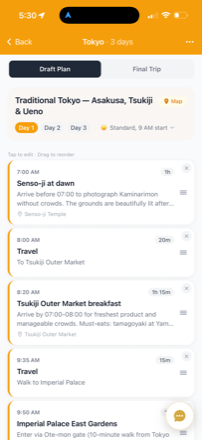
Your Itinerary
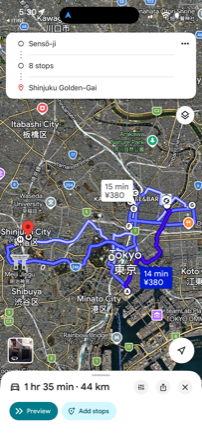
Google Maps
The densest concentration of Renaissance art on the planet — the David, the Duomo, Botticelli's Venus, all within a 15-minute walk.
Tourist intensity is a solid 10/10 between 10am and 4pm. The Piazza del Duomo alone sees 30,000 visitors per day in high season.
Most restaurants within 200 meters of the Duomo are mediocre and overpriced. Trattoria Mario is the one exception worth the queue.
The Uffizi requires advance tickets — showing up day-of in summer means a 3-4 hour wait or getting turned away entirely.
Early mornings transform this neighborhood completely. At 7:30am, you can stand alone in front of the Baptistery doors that Michelangelo called the 'Gates of Paradise.'
Best For
First-timers who want to see the David, climb the Duomo, and walk through the Uffizi. This is the essential Florence greatest-hits route — the reason 16 million people come here every year.
Skip If
You hate crowds, selfie sticks, and overpriced restaurants with laminated menus in 6 languages. Come back at 7am when the piazzas are empty, or skip straight to Oltrarno.
Walking route
Galleria dell'Accademia, Via Ricasoli 60 to Ponte Vecchio
Galleria dell'Accademia (The David)
30–45 min insideStart here at opening time (8:15am) with pre-booked tickets. Walk straight to the David — the 17-foot Carrara marble original is at the end of the Tribune hall. Spend a moment with the unfinished Prisoners lining the hallway; Michelangelo intentionally left them emerging from raw stone. Skip the musical instruments floor unless you're a completist. Exit onto Via Ricasoli heading south.
San Lorenzo Market & Medici Chapels
20–30 minTurn left off Via Ricasoli onto Via dei Pucci and you'll hit the San Lorenzo street market. The outdoor leather stalls are 90% tourist junk — walk through quickly. The indoor Mercato Centrale upstairs food court is decent but overpriced (€12–16 for a plate you'd get for €8 elsewhere). The Medici Chapels next door (€9, closed on alternating Mondays and Sundays — check the schedule) are worth it for Michelangelo's New Sacristy alone — the Dawn and Dusk sculptures are extraordinary.
Piazza del Duomo & Cattedrale di Santa Maria del Fiore
30–60 minWalk south on Via de' Martelli and the Duomo dome appears above the roofline. The cathedral itself is free to enter (dress code enforced — covered shoulders and knees). The interior is surprisingly austere compared to the explosive marble exterior. The Brunelleschi dome climb (€30 combo ticket, 463 steps) must be reserved online in advance — it's the single best viewpoint in Florence. The Baptistery across the piazza (same combo ticket) has magnificent 13th-century gold mosaics inside that most people skip.
Via dei Calzaiuoli to Orsanmichele
10–15 minWalk south on Florence's main pedestrian artery. It's lined with fast fashion and gelato chains — ignore them. Halfway down, look for Orsanmichele on the left: a converted grain market turned church with Donatello, Ghiberti, and Verrocchio sculptures in exterior niches. Free entry, almost always empty. The upper floors (now open select days under the Bargello Museums system — check current hours) and contain the original bronze statues.
Piazza della Signoria & Palazzo Vecchio
20–30 minFlorence's political heart since 1300. The outdoor Loggia dei Lanzi is basically a free open-air sculpture museum — Cellini's bronze Perseus and Giambologna's Rape of the Sabine Women are genuine masterpieces you can walk right up to. The Neptune fountain is wildly overrated (Florentines famously quipped 'Ammannato, what beautiful marble you have ruined'). Palazzo Vecchio (€12.50, or €10 tower only) has the Hall of the Five Hundred with Vasari's enormous battle scenes.
Uffizi Gallery (exterior & Loggiato)
10 min exterior, 2–3 hours insideWalk through the Piazzale degli Uffizi corridor between the two wings. Even from outside, the colonnade with its statues of Florentine greats is impressive. Above the colonnade, you can see windows of the Vasari Corridor — the Medici's private elevated passageway connecting Palazzo Vecchio to Palazzo Pitti (separate timed-entry tickets required, limited availability). If you have a pre-booked Uffizi ticket (€25 peak season), enter through Door 1. If not, do NOT queue up day-of — book for tomorrow morning instead. The Uffizi deserves a separate visit and at minimum 2.5 hours inside.
Ponte Vecchio
10–15 minEnd at Florence's most photographed bridge. The medieval butcher shops were replaced by jewelers in 1593 by order of the Medici, who were offended by the smell on their private Vasari Corridor above. The gold shops are genuinely expensive (rings from €200, bracelets from €500+). Walk to the middle for the classic view up the Arno — best light is late afternoon facing west. From here you can cross into Oltrarno or double back north.
End at Ponte Vecchio
What to see
Sights & Attractions
Galleria dell'Accademia (The David)
This museum exists for one reason: Michelangelo's David. And honestly? That's enough. The 17-foot marble sculpture is one of those rare artworks that genuinely exceeds the hype. You've seen it in photos a thousand times, but standing beneath it — seeing the veins on his hand, the tension in his neck — is a completely different experience. Get here at 8:15am opening with pre-booked tickets, walk past the unfinished Prisoners (also Michelangelo, also incredible), and you can be in and out in 35 minutes before the tour groups arrive. The rest of the museum is skippable unless you love 14th-century gold-ground paintings.
Tip: Book at uffizi.it/en/accademia — the only official site. Third-party resellers charge €30–50 for the same ticket.
Cattedrale di Santa Maria del Fiore (The Duomo)
Brunelleschi's dome is the single most important architectural achievement of the Renaissance. The cathedral took 140 years to build, and the dome itself — engineered without centering (the temporary wooden framework that domes normally require) using an innovative double-shell technique that still baffles engineers — remained the largest in the world for centuries. The exterior in white, green, and pink marble is Florence's defining image. The interior is surprisingly plain compared to Roman churches; the real payoff is climbing the 463 steps inside the dome, where you pass Vasari's Last Judgment fresco close enough to touch and emerge at the top with a 360-degree view of Tuscany. The climb must be reserved online — do it at least a week ahead in summer.
Tip: The dome climb time slot is fixed — arrive 10 minutes early or you lose your spot. Skip Giotto's Bell Tower (414 steps) if you're doing the dome; the view is similar but you can't see the dome itself from the bell tower.
Battistero di San Giovanni (The Baptistery)
The oldest building in the piazza, consecrated in 1059, and home to Ghiberti's bronze east doors that Michelangelo reportedly called the 'Gates of Paradise.' The doors you see outside are reproductions — the originals are in the Museo dell'Opera del Duomo around the corner. But the real reason to go inside is the 13th-century gold mosaic ceiling depicting the Last Judgment, a terrifying medieval vision of Hell that predates Dante (who was baptized here) but clearly influenced his Inferno. Most tourists photograph the doors and leave without entering. Don't make that mistake.
Tip: Visit right after entering the cathedral. The Baptistery is least crowded between 12–2pm when tour groups break for lunch.
Piazza della Signoria & Loggia dei Lanzi
Florence's civic heart for over 700 years, this is where Savonarola was hanged and burned in 1498 (a plaque marks the spot). The Loggia dei Lanzi is an open-air sculpture gallery that's free and accessible 24/7 — Cellini's bronze Perseus holding Medusa's head is a Renaissance masterpiece you can examine from inches away. Giambologna's Rape of the Sabine Women is carved from a single block of marble. Ammannati's Neptune Fountain at the corner of Palazzo Vecchio is the one thing here that doesn't quite deliver — Michelangelo's alleged diss about the marble was earned. The piazza is spectacular at night when the crowds thin and the statues are lit dramatically.
Tip: Come after 9pm for the best experience. The Loggia sculptures are lit, the gelato shops are still open, and you can actually hear yourself think.
Palazzo Vecchio
Florence's town hall since 1299 and still a functioning government building. The Hall of the Five Hundred on the first floor is a jaw-dropper: a vast chamber covered floor-to-ceiling with Vasari's battle frescoes and containing Michelangelo's Victory sculpture. The private apartments upstairs are intimate and surprisingly moving — Eleonora of Toledo's chapel has frescoes by Bronzino that rival anything in the Uffizi. The tower climb (€10 separate or €12.50 combined) gives you a view over the piazza that's arguably better than Giotto's Bell Tower because it includes the Duomo in the frame. The secret passages tour (€4 extra, must reserve) takes you through hidden corridors and is genuinely worth it.
Tip: The secret passages tour ('Percorsi Segreti') runs a few times daily and must be booked at the museum ticket office. Ask when you arrive.
Galleria degli Uffizi
The most important art museum in Italy, period. Botticelli's Birth of Venus and Primavera, Leonardo's Annunciation, Caravaggio's Medusa and Bacchus, Raphael's Madonna of the Goldfinch — the concentration of world-changing paintings here is staggering. The building itself, designed by Vasari in 1560, was originally a government office complex (uffizi = offices). You need pre-booked timed tickets in any season; showing up without them is a waste of your day. The Vasari Corridor (reopened 2024) is accessible via separate timed-entry tickets with limited availability — it's not a standard Uffizi exit but a separate bookable experience that takes you across Ponte Vecchio. Budget at least 2.5 hours, more if you care about the Northern European rooms upstairs.
Tip: Tuesday and Wednesday mornings are the calmest. Enter at 8:15am opening and go straight to Room 10–14 (Botticelli) before it gets mobbed. The top-floor cafe has a terrace with Duomo views — most people miss it.
Orsanmichele
This building perfectly encapsulates the Florence mentality: they took a grain market, turned it into a church, and then told every guild in the city to commission statues from the best sculptors alive. The result is an exterior studded with works by Donatello, Ghiberti, Verrocchio, and Giambologna. Inside, Orcagna's massive Gothic tabernacle (1359) glows with gold and lapis lazuli. The church is free, almost always empty, and sits right on the main pedestrian street — yet somehow 95% of tourists walk right past it. The upper floors, which contain the original bronze statues (the exterior ones are copies), are open select days (check current hours under the Bargello Museums system), and they're spectacular.
Tip: Look for Donatello's St. George niche on the Via dei Calzaiuoli side — the original is in the Bargello, but the tabernacle relief is a pioneering example of shallow relief sculpture (rilievo schiacciato).
Ponte Vecchio
The oldest bridge in Florence (rebuilt 1345) and the only one the retreating German army didn't destroy in 1944. The medieval shops hanging over the river were originally butchers and tanners — the Medici, who built their private corridor directly above, replaced them with goldsmiths in 1593 because the smell of offal offended them on their commute. Today the shops are high-end jewelers, and prices start at several hundred euros for the simplest pieces. The bridge itself is beautiful but chronically overcrowded — the best experience is the view of it from Ponte Santa Trinita one bridge west, especially at sunset. Walk through, but don't linger if it's packed.
Tip: The best photo of Ponte Vecchio is FROM Ponte Santa Trinita, not on it. Go at golden hour (around 7:30pm in summer, 5pm in winter) facing east.
Mercato Centrale (San Lorenzo Market)
The ground floor of this 19th-century iron-and-glass market hall is the real deal: local butchers, fishmongers, vegetable vendors, and a handful of food stalls that Florentines actually use. The second-floor food court (opened 2014) is a tourist-oriented operation with €12–16 plates that are fine but not special — think upscale food hall, not authentic market. The outdoor leather market surrounding the building is 95% mass-produced goods from China and India sold at 'Italian leather' prices. If you want real Florentine leather, go to Scuola del Cuoio in Santa Croce or the workshops in Oltrarno.
Tip: On the ground floor, Da Nerbone (stall since 1872) serves bollito and lampredotto sandwiches for €4–5. The line moves fast. This is the authentic Florence market lunch.
Museo dell'Opera del Duomo
The most underrated museum in Florence, full stop. This is where the original Gates of Paradise live — Ghiberti's gilded bronze panels, restored and displayed at eye level so you can see every figure. Donatello's harrowing Magdalene Penitent, carved from wood, is one of the most emotionally devastating sculptures you'll ever encounter. A full-scale reconstruction of the original cathedral facade (demolished in 1587) takes up an entire room. The museum sits right behind the Duomo and is included in the €30 combo ticket, yet most visitors never step inside because they've already exhausted themselves on the dome climb. Come here first if you can.
Tip: This museum is a perfect rainy-day option. It's rarely crowded, and the climate control is excellent. The original Gates of Paradise panels alone justify the visit.
Where to eat
Restaurants
Trattoria Mario
€Traditional Florentine
Order: Ribollita (€6), bistecca for two (€45/kg — a half-kilo feeds most couples), the daily pasta special.
Cash only, no reservations, communal tables. The queue starts forming at 11:45am — get there at 11:30. They close when the food runs out, usually by 2:30pm. Lunch only, closed Sundays. This is the one tourist-area restaurant that deserves every bit of its reputation. Via Rosina 2, near San Lorenzo Market.
I Due Fratellini
€Panini & wine
Order: Schiacciata with prosciutto crudo and stracchino (€5), paired with a glass of Chianti Classico (€3.50) handed through the window.
A hole-in-the-wall that's been making sandwiches since 1875. There's no seating — you eat standing in the alley like a proper Florentine. The bread is made fresh, the ingredients rotate daily. Via dei Cimatori 38r, two minutes from Piazza della Signoria. Closes at 7pm.
Trattoria Sostanza (Il Troia)
€€Classic Florentine
Order: The butter chicken (petti di pollo al burro — a €14 breast of chicken swimming in foaming butter that has no right being this transcendent), artichoke omelette in season, bistecca.
Technically in the Santa Maria Novella area but a 5-minute walk from the Duomo zone. Cash only, reservations essential, communal tables. Open since 1869 and aggressively unchanged. The butter chicken is the single best simple dish in Florence. Via del Porcellana 25r.
Cantinetta dei Verrazzano
€Bakery & wine bar
Order: Focaccia with seasonal toppings (€4–7), the schiacciata all'uva in September, a glass of their estate Chianti (€5).
Owned by the Verrazzano wine estate in Chianti. The focaccia comes out of the wood oven throughout the day and is genuinely excellent. It's 30 seconds from the Duomo but somehow maintains quality. Via dei Tavolini 18r. Good for a quick standing lunch between museums.
Buca Mario
€€€Traditional Florentine (upscale)
Order: Bistecca alla fiorentina (€55/kg, minimum 1kg for two), pappa al pomodoro, tiramisu. Full dinner with wine runs €50–70 per person.
A 'buca' (cellar restaurant) since 1886, with vaulted ceilings and white tablecloths. More formal and expensive than Trattoria Mario, but the bistecca is properly aged and the service is old-school professional. Reservations required for dinner. Piazza degli Ottaviani 16r, near Santa Maria Novella.
Where to drink
Bars, Cafes & Wine
Caffè Rivoire
cafeOrder: Hot chocolate (€7 at a table, €3.50 at the bar — yes, the same drink) or a Negroni (€14 at a table).
Sitting in Piazza della Signoria since 1872, famous for thick, rich hot chocolate made from their own chocolate recipe. The terrace markup is extreme (expect to pay double for table service vs. standing at the bar), but nursing a drink while watching the piazza theater is part of the Florence experience. Go once, stand at the bar, and invest the savings in gelato.
Procacci
aperitivoOrder: Truffle panino (€6.50) and a glass of prosecco (€7). The truffle cream is house-made and extraordinary.
Opened in 1885 on Via de' Tornabuoni, Florence's luxury shopping street. This tiny shop is famous for one thing: truffle cream sandwiches on soft white rolls. It's not a full meal, it's a perfect aperitivo stop. Stand at the marble counter and pretend you're a 19th-century aristocrat. The truffle cream is also sold in jars (€15) and makes a brilliant souvenir.
Todo Modo
wine barOrder: A glass of Brunello di Montalcino (€10–14) and browse the bookshelves. Light food menu with taglieri (€12–16).
A bookshop-wine bar hybrid on Via dei Fossi that feels like a secret Florence wants to keep. The back room has leather armchairs, floor-to-ceiling books, and an excellent wine list focused on Tuscan producers. It's a 5-minute walk from the Duomo but attracts almost zero tourists. Open until 11pm. Literary events in Italian most evenings.
Shake Café
cafeOrder: Specialty coffee (flat white €3.50, pourover €4). One of the few places in the centro that takes coffee seriously beyond the standard espresso.
Tucked on Via del Corso near Piazza della Repubblica. Florence's espresso culture doesn't leave much room for specialty coffee, but Shake has been quietly converting locals since 2015. The baristas actually know what extraction means. Good for a mid-morning recharge between the Accademia and the Duomo.
Segreto locale
Insider Tips
Book the Accademia and Uffizi at least 2 weeks ahead in any season (4+ weeks for summer). Use uffizi.it — it's the only official booking site. Everything else is a reseller markup.
The Duomo dome climb requires a separate timed reservation (included in the €30 combo ticket but the time slot books up fast). Reserve as far in advance as possible — peak season slots fill 3–4 weeks out.
Restaurants within 100 meters of the Duomo with photos of food on the menu, laminated multi-language menus, or someone standing outside trying to seat you are almost universally terrible. Walk 3 blocks in any direction and quality improves dramatically.
The Firenze Card (€85, 72 hours) is NOT worth it for most visitors anymore since the Uffizi and Accademia raised prices. Do the math for your specific itinerary — most people save money buying individual tickets.
Free water refill fountains (nasoni) are scattered throughout the centro. The water is clean, cold, and saves you €2 per bottle. Look for the small bronze fountains with continuously running water.
The Piazza della Repubblica carousel and its surrounding cafes are a tourist zone holdover. Skip it entirely — walk 2 minutes south to Piazza della Signoria instead.
Street vendors selling selfie sticks, light-up toys, and 'Italian leather' bags on blankets are selling counterfeit goods. Buying them is technically illegal for the buyer too — police occasionally fine tourists €250+.
The best free view in Centro Storico is from the terrace of the Biblioteca delle Oblate (Via dell'Oriuolo 24) — a public library with a rooftop cafe overlooking the Duomo from about 50 meters away. Coffee is €1.50.
Getting here
From the Duomo
On foot
0 minutes — the Duomo is the center of everything in Centro Storico.
You are already here — this IS the Duomo quarter. The Cattedrale di Santa Maria del Fiore is the geographic and spiritual center of Centro Storico.
By bus
Buses C1 and C2 loop through the centro, but the area is mostly pedestrianized. Walking is faster for all destinations within the quarter.
Our take: Start your walk at the Galleria dell'Accademia at the northern edge of Centro Storico (Via Ricasoli 60) and walk south through the Duomo to Piazza della Signoria and Ponte Vecchio. This north-to-south route follows the natural flow of the neighborhood and puts the major sights in a logical sequence. Arrive at the Accademia by 8:15am opening for the calmest experience.
Pronto a partire?
Plan Your Florence Trip
Browse our locally tested itineraries with exact times, costs, and the tips that guidebooks leave out.
See the 1-Day ItineraryFrequently Asked Questions
The walking route takes 2.5–3 hours without entering museums. Add 45 minutes for the Accademia, 2.5–3 hours for the Uffizi, and 45–60 minutes for the Duomo dome climb. A thorough visit with two museums takes a full day. If you only have half a day, do the Accademia (pre-booked, 45 min), the exterior walk past the Duomo and Piazza della Signoria, and end at Ponte Vecchio — save the Uffizi for another morning.
For most visitors, no — not anymore. The Firenze Card costs €85 for 72 hours. The Uffizi (€25) + Accademia (€16) + Duomo combo (€30) = €71 individually, and that covers the major sights. The card only saves money if you plan to visit 6+ paid attractions. It does let you skip ticket queues, but so do individual pre-booked tickets at a fraction of the price.
Trattoria Mario (Via Rosina 2) is the one reliable choice within the immediate area — cash only, communal tables, lunch only, and expect a queue. I Due Fratellini (Via dei Cimatori 38r) makes excellent panini for €5. For anything more substantial, walk 5 minutes south to the Santa Croce zone or 10 minutes west to Sostanza. The general rule: if there's a person outside trying to seat you, keep walking.
The cathedral itself opens at 10:15am (later than you'd expect) and is relatively calm in the first 30 minutes. For the dome climb, book the earliest available slot (8:15am) — the groups thin dramatically at the top when you're among the first climbers. The piazza itself is magical at 7–7:30am: almost empty, golden light, street cleaners finishing up. Come back at 9:30pm for a completely different vibe — the marble glows under floodlights and the crowds are gone.
You can see the exteriors, piazzas, Ponte Vecchio, Orsanmichele, and the Loggia dei Lanzi without any tickets. The cathedral is free. But the David (Accademia) and the Uffizi require pre-booked timed tickets — showing up without them means a 2–4 hour queue in season, or being turned away entirely. The Duomo dome climb also requires advance reservation. Bottom line: book the Accademia and Uffizi online, and you can wing everything else.
Very safe. The main piazzas and streets are well-lit and busy until midnight, especially in summer. The area around the train station (Santa Maria Novella) is slightly rougher after dark — not dangerous, but you'll encounter more aggressive panhandlers. The only real 'crime' to worry about is pickpocketing in crowded areas during the day, especially on Ponte Vecchio and around the Duomo. Use a front pocket or crossbody bag and you'll be fine.