Quartiere
Oltrarno
Cross the Arno and the tourist crowds vanish. This is where Florence still lives.
Powered by ITINE
Get this guide as a tappable itinerary
Day-by-day plan, audio tours, and one-tap Google Maps — completely free.
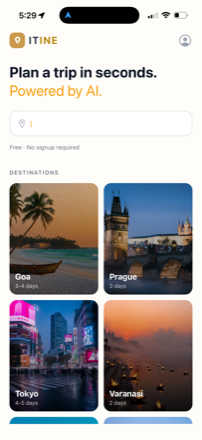
Destinations
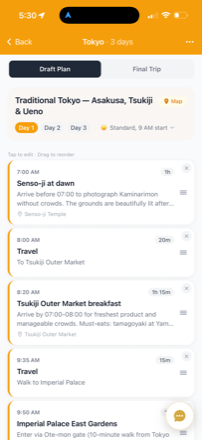
Your Itinerary
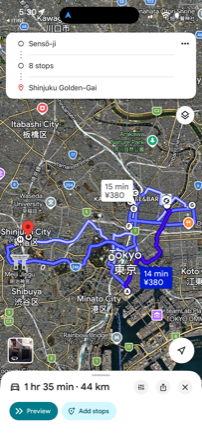
Google Maps
The artisan workshop density is extraordinary — Via dello Sprone, Sdrucciolo de' Pitti, and Via Maggio have 15+ active workshops where you can watch bookbinders, leather workers, silversmiths, and woodcarvers at work.
Piazza Santo Spirito is the social heart of the neighborhood: morning farmers' market (2nd Sunday monthly), afternoon cafe culture, evening aperitivo, late-night bar scene. It's the only piazza in Florence that feels like it belongs to locals rather than tourists.
Palazzo Pitti alone contains 5 museums and the Boboli Gardens. You could spend an entire day here and still not see everything. The Palatine Gallery's Raphael and Titian collection rivals the Uffizi.
The walk up to San Miniato al Monte takes 20 minutes from Ponte Vecchio and rewards you with the single best panoramic view of Florence — far superior to Piazzale Michelangelo, which is where the tour buses stop.
Restaurant quality in Oltrarno is consistently higher than Centro Storico at lower prices. The tourist-trap ratio inverts completely once you cross the river.
Best For
Anyone who wants to see the real Florence — leather workshops where you watch craftsmen hand-stitch bags, local aperitivo bars where the bartender knows everyone's name, Palazzo Pitti's overwhelming art collection, and the best sunset in the city from San Miniato al Monte.
Skip If
You only have 3 hours in Florence and need to see the David and Duomo — those are across the river in Centro Storico. Come here on day 2 or 3.
Walking route
Ponte Vecchio (south side) to Via di San Niccolò / Porta San Niccolò
Ponte Vecchio to Via de' Bardi
5 minCross Ponte Vecchio from Centro Storico and immediately turn left onto Via de' Bardi. This quiet street runs parallel to the Arno and is lined with medieval tower houses. Look up — the Vasari Corridor passes overhead on its way from the Uffizi to Palazzo Pitti. The contrast with the chaos you just left on the bridge is immediate.
Via Maggio & artisan workshops
30–45 minTurn right onto Via Maggio, the neighborhood's main artery. This is Florence's antique row, but more importantly it's lined with active artisan workshops. Look for open doorways — many craftspeople welcome observers. Stefano Bemer (custom shoes, Via di San Niccolò 2) lets you watch cobblers at work. Scuola del Cuoio is in Santa Croce, but Oltrarno's leather workshops on Via dello Sprone and Sdrucciolo de' Pitti are less touristy and prices are more honest. Stop into any open bottega — this is the real deal.
Piazza Santo Spirito
20–30 minFlorence's most lived-in piazza. The plain facade of the Basilica di Santo Spirito (Brunelleschi's last church, completed after his death) hides one of the most harmonious Renaissance interiors in existence — 35 perfect gray-and-white arches. The piazza itself has a morning food market, afternoon cafe lounging, and evening aperitivo that spills onto the steps. Grab a drink at Caffè Ricchi or Volume and watch the neighborhood perform its nightly ritual. On the 2nd Sunday of each month, a larger artisan and antiques market fills the piazza.
Palazzo Pitti
1–2.5 hours insideThe Medici's 'other' palace — a Renaissance fortress of a building that houses five museums. The Palatine Gallery alone is worth the visit: 11 Raphaels, multiple Titians, Caravaggio's Sleeping Cupid, all hung salon-style (floor to ceiling, as the Medici intended). The Royal Apartments are lavish but skippable if time is short. The Modern Art Gallery upstairs has excellent Macchiaioli paintings (Italian Impressionists). If you only have an hour, do the Palatine Gallery and walk straight through to the Boboli Gardens exit.
Boboli Gardens
45–90 minThe Medici's private garden, 11 acres of sculpted hedges, grottoes, fountains, and cypress-lined avenues climbing the hill behind the palace. The Grotta Grande (Buontalenti's mannerist cave with faux stalactites and hidden Michelangelo slaves) is the highlight. The Kaffeehaus halfway up has Arno views and mediocre espresso (€2.50, but you're paying for the location). Walk to the top for the amphitheater and Isolotto fountain. In summer, come after 4pm when the heat breaks and the light turns golden.
Giardino delle Rose
15–20 minFree to enter, this terraced rose garden sits below Piazzale Michelangelo and is in full bloom May through June. Even outside rose season, it's a quiet spot with panoramic views and a handful of Jean-Michel Folon bronze sculptures scattered among the paths. Most tourists take the road straight up to Piazzale Michelangelo and miss this completely. Enter from Via di San Salvatore al Monte.
San Miniato al Monte
20–30 minKeep climbing past Piazzale Michelangelo (which is fine but overrun with tour buses and souvenir vendors) to San Miniato al Monte. This 11th-century Romanesque church has a green-and-white marble facade that catches the sunset light like nothing else in the city. The interior is ancient and austere — an inlaid marble floor from 1207, a raised presbytery over a painted crypt. The terrace in front offers the definitive Florence panorama: Duomo, Palazzo Vecchio tower, Ponte Vecchio, and the Arno bending through the city. Gregorian vespers are chanted daily at 5:30pm (winter) / 6:30pm (summer).
Sunset return via San Niccolò
15–20 minWalk back down through the San Niccolò gate (Porta San Niccolò, the tallest surviving medieval gate in Florence) and into the Via di San Niccolò strip. This quiet street has some of the best dinner spots in Oltrarno — Beppa Fioraia, Il Magazzino, and Fuori Porta wine bar are all here. End your evening with dinner and a final glass of Chianti as the streetlights come on.
End at Via di San Niccolò / Porta San Niccolò
What to see
Sights & Attractions
Palazzo Pitti & Palatine Gallery
If the Uffizi is Florence's greatest hits, the Palatine Gallery is the deep cuts album — and it might actually be better. Raphael's Madonna of the Chair, Titian's Mary Magdalene, Caravaggio's Sleeping Cupid, and Rubens' Consequences of War are hung in lavishly frescoed rooms exactly as the Medici displayed them: stacked three high in gilded frames, paintings competing for your attention like voices at a Florentine dinner. The experience feels less like a museum and more like being invited into the private collection of the most powerful family in Renaissance Europe, which is exactly what it is. The building itself is a Renaissance palace on steroids — the facade stretches 205 meters across Piazza Pitti. Come in the afternoon when the tour groups have moved on to the Uffizi.
Tip: The Palatine Gallery is the priority. If you only have an hour, go straight to Rooms 26–30 (Raphael rooms) and Room 31 (Titian). The Modern Art Gallery upstairs is a bonus for those with time — the Macchiaioli section is excellent.
Boboli Gardens
Eleven acres of Renaissance garden design climbing the hill behind Palazzo Pitti. This is where the Medici came to escape the city without actually leaving it — and the concept of the formal Italian garden was essentially invented here. The Grotta Grande near the entrance is the must-see: Buontalenti's mannerist fantasy cave with faux stalactites, hidden copies of Michelangelo's Prisoners, and a Venus by Giambologna in the back chamber. The amphitheater, originally used for Medici spectacles, faces the rear of the palazzo. At the very top, the Knight's Garden has a panoramic view south toward the Chianti hills. The gardens are enormous — wear comfortable shoes and bring water.
Tip: Enter through Palazzo Pitti and walk straight to the Grotta Grande before heading uphill. In summer (June–August), the gardens stay open until 7:30pm — the late afternoon light through the cypress alleys is extraordinary.
Basilica di Santo Spirito
Brunelleschi's last church (he died before it was finished) and an argument for the supremacy of simplicity. The flat, unfinished facade gives nothing away — step inside and the effect is instant calm: 35 identical gray pietra serena arches creating a perspective that draws your eye irresistibly to the altar. It's the Renaissance ideal of mathematical harmony made physical. The sacristy contains a wooden crucifix attributed to the teenage Michelangelo (carved when he was 17, living in the adjacent Augustinian convent). The crucifix alone is worth the €2 entry to the back rooms. The piazza in front is Santo Spirito's true gift to the city — Florence's living room.
Tip: Visit the church early (opens 9:30am, closed Wednesdays) and then stay in the piazza for a coffee at Caffè Ricchi. The Sunday morning antiques market (2nd Sunday monthly) is small but has genuine finds from local dealers.
San Miniato al Monte
The finest Romanesque church in Tuscany and the best viewpoint in Florence — and somehow most tourists never make it up the hill. The facade's geometric marble inlay (1090) glows gold and green in late afternoon light. Inside, the 1207 inlaid marble floor is a masterpiece of zodiac and animal symbolism. The raised presbytery sits above a crypt with frescoes by Taddeo Gaddi, and the Chapel of the Cardinal of Portugal (left aisle) is a jewel box of Renaissance decoration by Antonio Rossellino and Luca della Robbia. Stand on the terrace at sunset and you'll understand why this spot, not Piazzale Michelangelo below, is where Florentines bring people they want to impress. Gregorian vespers are chanted daily by the Olivetan monks — arrive 10 minutes early for a seat.
Tip: Time your visit for 1 hour before sunset. Walk past Piazzale Michelangelo (overcrowded, tour bus parking lot energy) and continue up the steps to San Miniato. The church closes at 7pm in summer, 5:30pm in winter — check before climbing.
Brancacci Chapel (Cappella Brancacci)
A tiny chapel inside the Carmine church that changed the course of Western art. Masaccio's frescoes (1425–1428) — particularly The Expulsion from the Garden of Eden and The Tribute Money — are where Renaissance painting is born. Before Masaccio, figures were flat and symbolic. Here, suddenly, human beings have weight, shadow, emotion, and occupy real space. Michelangelo, Raphael, and Leonardo all studied these walls. The chapel is small and visits are limited to 30 minutes in groups of 30, so booking ahead is strongly recommended. The restoration in the 1980s revealed colors of startling intensity.
Tip: Call +39 055 276 8224 or book at museicivicifiorentini.comune.fi.it at least a day ahead. Monday and Wednesday mornings are calmest. Combine with Santo Spirito church (5-minute walk) and lunch at Trattoria Sabatino.
Giardino delle Rose (Rose Garden)
A free public garden cascading down the hillside below Piazzale Michelangelo, at its most spectacular during the May–June bloom when 350 rose varieties are flowering simultaneously. Even outside rose season, the terraced pathways offer excellent city views and a serenity that the bus-crowded piazzale above completely lacks. Belgian artist Jean-Michel Folon donated 12 bronze sculptures that are scattered throughout the garden — the figures peering over walls and sitting on benches add a whimsical, slightly surreal quality. There's a small Japanese garden section (donated by Kyoto as a sister-city gift) with a waterfall and koi pond that feels transportive.
Tip: Enter from Via di San Salvatore al Monte on your way up to San Miniato. It's a perfect rest stop on the climb. Bring a bottle of wine and some focaccia for an improvised picnic with a view.
Artisan workshops (Via dello Sprone / Sdrucciolo de' Pitti)
Oltrarno's identity is built on its artigiani — the craftspeople who have been working leather, silver, wood, marble, and paper in these streets for generations. The workshops clustered around Via dello Sprone, Sdrucciolo de' Pitti, and Via Maggio are not showrooms; they're working botteghe where you can watch artisans at their benches. Lorenzo Villoresi (perfumer, Via de' Bardi 12) creates bespoke fragrances. Il Torchio (bookbinder, Via de' Bardi 17) hand-binds journals using techniques unchanged since the 15th century. Stefano Bemer (shoemaker, Via di San Niccolò 2) makes bespoke shoes that take 50+ hours per pair. Most workshops welcome visitors — just be respectful, ask before photographing, and don't touch anything you aren't buying.
Tip: Workshops close for pranzo (lunch) from 1–3:30pm. The best time to visit is late afternoon (3:30–6pm) when the artisans have returned and the light in the workshops is warm. Ask about short workshops — some bookbinders and leather workers offer 2-hour sessions (€60–100).
Giardino Bardini
A rival to Boboli that hardly anyone visits. This four-acre garden attached to Villa Bardini has a wisteria-draped baroque staircase that becomes an Instagram phenomenon for two weeks in April when the purple blooms are at peak. The rest of the year, it's a peaceful terraced garden with fruit orchards, a formal English garden section, and a belvedere terrace with a panoramic Florence view that's arguably better than Boboli's because you're closer to the city center. The attached museum has rotating contemporary art exhibitions in beautifully restored rooms. The garden connects directly to Boboli via a passage, so you can visit both in sequence.
Tip: If you're here in mid-to-late April, the wisteria tunnel is genuinely extraordinary — but so are the crowds. Come at opening (8:15am) for empty garden paths. The cafe on the upper terrace serves decent coffee (€2) with a Duomo view.
Piazza Santo Spirito market
The piazza hosts a small daily morning market (except Sunday) with a handful of produce, cheese, and flower stalls that serve the neighborhood. It's nothing spectacular — 8–10 stalls, mostly gone by 1pm — but it gives you a reason to be here in the morning and a glimpse of everyday Florentine life. The 2nd Sunday of the month transforms the piazza entirely: a genuine antiques and artisan market with 30+ stalls selling vintage prints, ceramics, leather goods, and curiosities from Tuscan attics. This monthly market is worth planning around. The 3rd Sunday features an organic food market. Year-round, the piazza benches are the neighborhood's default gathering point.
Tip: The 2nd Sunday antiques market (8am–6pm) is the one to prioritize. Arrive before 10am for the best selection. Bring cash — most vendors don't take cards. Combine with the Brancacci Chapel (open Sundays) and lunch at Gustapanino.
Porta San Niccolò
The tallest surviving medieval gate in Florence's city walls, this 1324 tower stands 40 meters high at the base of the San Niccolò district. Unlike the other city gates, which were cut down to rampart height in the 19th century, San Niccolò's tower survived intact because it served as a military storage depot. In summer (June–September), you can climb to the top for free during evening openings — the view from the battlements over the Arno toward the Duomo is spectacular and far less crowded than the more famous viewpoints. The surrounding San Niccolò neighborhood is one of the quietest, most authentically local areas of central Florence.
Tip: The tower opens for free summer visits from 5pm–8pm (check exact schedule, it changes yearly). Combine with dinner on Via di San Niccolò — Beppa Fioraia or Fuori Porta are both within 100 meters.
Where to eat
Restaurants
Trattoria Sabatino
€No-frills Florentine home cooking
Order: Ribollita (€5), peposo (€7), bollito misto (€8). A full meal with house wine and water comes to €12–15 per person.
The most honest meal in Florence. This workers' canteen near Porta San Frediano has been serving the same recipes at the same rock-bottom prices since 1956. Fluorescent lights, formica tables, no written menu some days — the waiter recites the options and you point. Cash only, no reservations. Opens at noon sharp; locals start queuing at 11:50. Via Pisana 2r.
Il Latini
€€Classic Florentine feast
Order: Let the waiter guide you. Crostini neri and prosciutto to start, ribollita or pappardelle al cinghiale, bistecca alla fiorentina (€50/kg) for the main. House Chianti is included.
Technically north of the Arno (Via dei Palchetti 6r, near Piazza Goldoni), but included here because Oltrarno diners heading back across Ponte alla Carraia pass right by it — a natural post-bridge stop. Loud, boisterous, unapologetically old-school. Hams hang from the ceiling, Chianti flows from carafes, and the portions are enormous. Yes, it's famous and draws tourists, but the food quality has never dropped and the atmosphere is genuinely joyful. Reservations essential for dinner. Closed Mondays.
Gustapanino
€Gourmet panini
Order: The 'Tartufino' (truffle cream, prosciutto crudo, mozzarella — €7) or the daily special. Add a glass of Morellino di Scansano (€4).
Santo Spirito's answer to All'Antico Vinaio, but without the 45-minute queue. Fresh schiacciata, quality fillings, and you can sit on the piazza steps to eat. Faster, calmer, and arguably better bread than its more famous Centro Storico rival. Via dei Michelozzi 13r, 30 seconds from Santo Spirito. Open until 10pm.
Trattoria 4 Leoni
€€Modern Florentine
Order: Pear and pecorino ravioli (€13) is the signature — sounds gimmicky but it's genuinely excellent. Bistecca, tagliata with rocket, and their panna cotta are all reliable.
Sits on the beautiful Piazza della Passera and has terrace seating in warm months. It's well-known enough to appear in guidebooks, but the kitchen is consistently good and the setting (a tiny piazza with no car traffic) is perfect for a leisurely dinner. Reservations recommended for dinner. Via dei Vellutini 1r.
Beppa Fioraia
€€Tuscan with creative touches
Order: Tagliatelle al ragù bianco (€14), their burrata appetizer (€10), and the chocolate soufflé (€8, must order at start of meal). Wine list is Tuscan-focused and fairly priced.
A former flower shop turned restaurant on Via dell'Erta Canina, at the base of the climb to San Miniato. The courtyard garden seating in summer is magical — fairy lights, stone walls, climbing jasmine. Quality is a clear step above most Oltrarno trattorias without the pretension. Reserve 2–3 days ahead for weekend dinner. Via dell'Erta Canina 6r.
Il Magazzino
€€Florentine nose-to-tail
Order: Lampredotto (tripe) in multiple preparations — braised, in broth, in a panino. If you're squeamish, the pappa al pomodoro and ribollita are excellent. Trippa alla fiorentina (€10) is the test of a true Florentine trattoria.
The place to eat offal in Florence if you're adventurous. They take the city's tradition of quinto quarto (fifth quarter — the parts left after the butcher's four cuts) seriously. Small, cash only, on Piazza della Passera. Even if tripe isn't your thing, the standard Florentine dishes here are done with genuine care. Closed Sundays.
Where to drink
Bars, Cafes & Wine
Volume Firenze
aperitivoOrder: Negroni (€8) — this is the Negroni's home city, and Volume makes one of the best. Their aperitivo buffet (free with any drink, 6:30–9:30pm) is generous enough to skip dinner.
A bookshop-cafe-bar on Piazza Santo Spirito that pulls off the triple identity without feeling contrived. Browse design books and vinyl records during the day, then transition to aperitivo as the piazza fills up. The outdoor tables facing the Basilica are prime real estate on warm evenings. Piazza Santo Spirito 5r.
Caffè Ricchi
cafeOrder: Morning espresso (€1.20 at the bar) or afternoon aperitivo (Aperol Spritz €7, with free snacks from 6pm).
The terrace tables on Piazza Santo Spirito are Oltrarno's unofficial living room. Mornings are quiet — locals reading La Nazione over cornetti. Afternoons build toward the golden hour aperitivo rush. The coffee is above average for Florence (which is saying something) and the staff are genuinely warm once they recognize you. Come twice and you're a regular.
Fuori Porta
wine barOrder: A glass of Brunello di Montalcino (€12–16) or their Vino Nobile di Montepulciano (€7) with a tagliere misto of Tuscan salumi and pecorino (€14).
The best enoteca in the San Niccolò strip, with a wine list that runs to 600+ labels, almost all Tuscan. The by-the-glass selection rotates and the staff know their wines — tell them what you like and let them guide you. The crostoni (large open-faced toasts, €8–12) are substantial enough for a light dinner. Via del Monte alle Croci 10r, near Porta San Niccolò.
Il Santino
wine barOrder: Whatever natural wine they're pouring by the glass (€6–10) and the tagliere of local cheeses (€12). Ask for recommendations — the menu changes frequently.
The wine bar offshoot of Santo Bevitore restaurant, tiny and always buzzing. Standing room only most evenings, which adds to the convivial energy. The natural wine focus is genuine (not just a marketing label) and the small food menu — crostini, taglieri, a daily soup — is excellent. Via di Santo Spirito 60r. No reservations, first come first served.
Mad Souls & Spirits
cocktail barOrder: Their signature cocktails (€12–14) are inventive and well-executed. The bartenders are serious — describe what you like and they'll build something off-menu.
A proper craft cocktail bar tucked on Borgo San Frediano, the kind of place where the bartender uses house-made bitters and hand-chipped ice. Small, moody, with a crowd that skews younger and more international. Opens at 6:30pm and gets busy after 10pm on weekends. Not the place for a quick Negroni — this is for when you want to sit and drink something genuinely creative. Borgo San Frediano 36r.
Segreto locale
Insider Tips
Artisan workshops close for lunch from 1–3:30pm. Plan your workshop visits for either 10am–12:30pm or 3:30–6pm. Walking in during pranzo is pointless — the shutters will be down.
Piazza Santo Spirito transforms through the day: empty and quiet at 8am, farmers' market stalls mid-morning, cafe culture by noon, aperitivo by 6pm, and late-night bar scene after 11pm. Time your visit based on the vibe you want.
The walk up to San Miniato al Monte takes 20–25 minutes from Ponte Vecchio. Start at Piazzale Michelangelo but don't stop there — continue up the monumental staircase to San Miniato for a better view and far fewer people. Bring water.
Palazzo Pitti is overwhelming if you try to see everything. The Palatine Gallery is the essential collection. If you have time, add Boboli Gardens. Skip the Costume Gallery and Porcelain Museum unless you have a specific interest.
For leather goods, the Oltrarno workshops are more honest than San Lorenzo Market or the shops on Ponte Vecchio. Expect to pay €40–80 for a quality handmade wallet, €150–400 for a bag. If someone quotes you €15 for a 'handmade Italian leather' wallet, it's not.
The San Niccolò neighborhood (east Oltrarno, near Porta San Niccolò) is quieter and more residential than the Santo Spirito side. It has excellent restaurants (Beppa Fioraia, Il Magazzino, Fuori Porta) without the nightlife noise.
Boboli Gardens has very little shade in summer. Bring a hat and water, or come after 4pm when the heat breaks. The garden is large — you'll walk 2+ km even on a quick circuit.
The monthly 2nd Sunday antiques market in Piazza Santo Spirito (8am–6pm) is the best market in Florence for genuine vintage finds. Arrive before 10am for first pick. Cash only for most vendors.
For the sunset at San Miniato, arrive at least 45 minutes before the published sunset time to get a good spot on the terrace. The churchyard benches fill up quickly in summer. Bring a small bottle of wine — it's one of the great free experiences in Italy.
Getting here
From the Duomo
On foot
12 minutes from the Duomo, 5 minutes from Ponte Vecchio's south side
Walk south from the Duomo through Piazza della Signoria and cross Ponte Vecchio — you're in Oltrarno. Total walk is about 12 minutes. Alternatively, cross at Ponte Santa Trinita for a less crowded entry point near Via Maggio.
By bus
Bus D crosses the Arno and stops near Palazzo Pitti. Bus 12 and 13 go up to Piazzale Michelangelo if you want to skip the uphill walk to San Miniato.
Our take: Walk across Ponte Vecchio and explore on foot. Oltrarno is compact and hilly only when climbing to the viewpoints. Start at the bridge, work west along Via Maggio to Santo Spirito, then loop back east to Palazzo Pitti and up to San Miniato for sunset. The whole route is manageable even in summer heat if you pace yourself and stop for gelato.
Related guides
Pronto a partire?
Plan Your Florence Trip
Browse our locally tested itineraries with exact times, costs, and the tips that guidebooks leave out.
See the 3-Day ItineraryFrequently Asked Questions
Very safe. Piazza Santo Spirito and the surrounding streets are busy until midnight with locals at bars and restaurants. The walk up to San Miniato is well-lit along the main road (Via del Monte alle Croci) but less so on the garden paths — use the road if going after dark. The San Niccolò area is quiet and residential, not sketchy.
Half a day is the minimum for a meaningful visit: workshops + Santo Spirito + the walk up to San Miniato for sunset takes about 3–4 hours. If you want to add Palazzo Pitti and Boboli Gardens, budget a full day. The ideal approach is afternoon workshops and piazza time, early evening Palazzo Pitti, then sunset at San Miniato and dinner in San Niccolò.
Most workshops genuinely welcome respectful visitors — the artisans are proud of their work and enjoy explaining their craft. The key etiquette: peek in the open doorway first, make eye contact, and wait for a nod or wave before entering. Don't touch anything, ask before photographing, and don't feel obligated to buy (though a purchase is always appreciated). Late afternoon is better than morning, as artisans are warmed up and more sociable.
Absolutely — they're complementary, not duplicative. The Uffizi is stronger on early Renaissance (Botticelli, Leonardo), while the Palatine Gallery excels at High Renaissance and Baroque (Raphael, Titian, Caravaggio, Rubens). The experience is also completely different: the Uffizi is a chronological museum walk, while the Palatine is a palatial salon-style hang that feels like entering a private collection. If you can only do one, the Uffizi. If you have two museum days, the Palatine is the clear second choice.
Piazzale Michelangelo is a large parking lot/terrace with a bronze copy of the David, souvenir vendors, tour buses, and a famous panoramic view. It's fine but overcrowded and has a parking-lot atmosphere. San Miniato al Monte is 5 minutes farther up the hill, has a magnificent 1,000-year-old church, a quieter terrace, and an equally good (arguably better) view with the added benefit of the church facade catching the sunset light. Go to San Miniato. Skip or briefly pass through Piazzale Michelangelo on the way.
Volume Firenze on Piazza Santo Spirito is the all-around best: good Negroni (€8), generous free aperitivo buffet (6:30–9:30pm), and terrace seating facing the Basilica. For wine, Fuori Porta in San Niccolò has a 600-label Tuscan list. For craft cocktails, Mad Souls & Spirits on Borgo San Frediano is serious and inventive. For a simple, unpretentious spritz with locals, Caffè Ricchi's terrace on the piazza is hard to beat.